
General Surgery, Laser Treatment and Laparoscopic Surgery: A Patient’s Guide to Better Health
Blog#1
23/09/2026
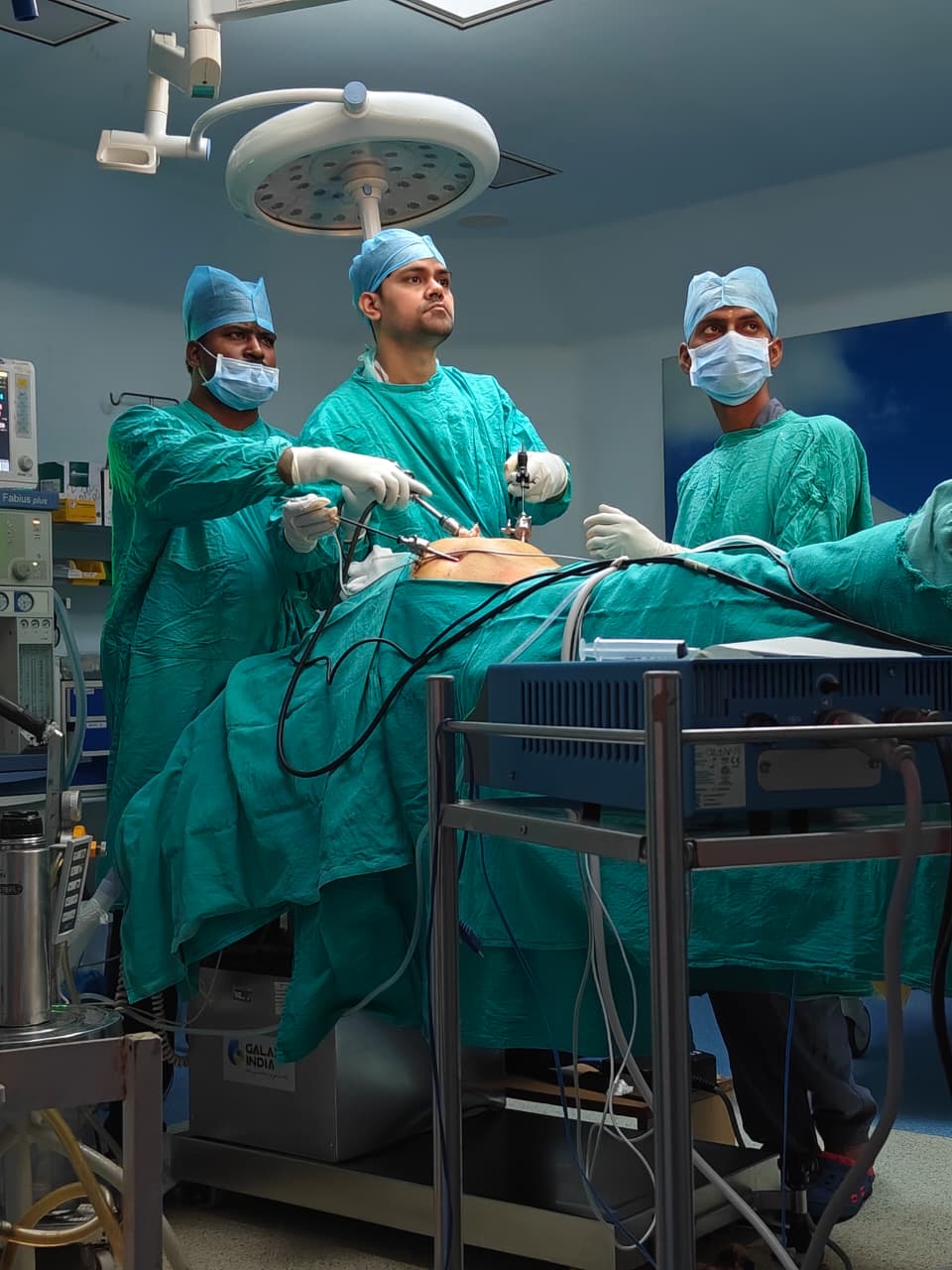
Understanding your symptoms is the first step towards choosing the right treatment. Whether you are experiencing piles, a painful swelling, a hernia, gallstones or persistent abdominal pain, knowing when to seek medical advice can help you make informed decisions about your health. At Dr Rachit Laser and Laparoscopy Clinic, Lucknow, our focus is on helping patients understand their condition, explore suitable treatment options and make decisions based on their individual needs. Modern surgery offers several treatment approaches, including conventional surgery, minimally invasive laparoscopic procedures and selected laser-based treatments. However, the best treatment is not necessarily the newest or most advertised one. It is the treatment that is appropriate for your diagnosis, condition and overall health. In this guide, let us understand some common surgical problems, their warning signs and when you should consult a surgeon. 1. Piles, Fissure and Fistula: What Is the Difference? Problems around the anal region are common, but many people feel embarrassed discussing them. Some delay medical consultation because they assume the symptoms will resolve on their own. Three conditions that are frequently confused are piles, anal fissures and anal fistulas. Piles (Haemorrhoids) Piles are swollen vascular cushions in the anal canal. Symptoms may include: * Bright red blood during or after passing stool. * A lump or swelling near the anus. * Itching, irritation or discomfort. * Prolapse of tissue during bowel movements. Treatment depends on the severity of symptoms and the grade of haemorrhoids. Dietary and lifestyle changes, office-based procedures, conventional surgery and selected laser techniques may be considered in appropriate patients. Anal Fissure An anal fissure is a small tear in the lining of the anal canal. Typical symptoms include sharp pain during defecation, pain that may continue afterwards and occasional bright red bleeding. Treatment may include stool softeners, adequate fibre and fluids, warm sitz baths and prescribed medication. Persistent fissures may require a procedure or surgery after appropriate assessment. Anal Fistula An anal fistula is an abnormal tract connecting the anal canal or rectum to the skin near the anus. It may cause recurrent swelling, pain and discharge of pus or blood. Most persistent anal fistulas require a procedure or surgery. The appropriate technique depends on the tract’s anatomy, its relationship with the anal sphincter and the risk of affecting continence. Important: Rectal bleeding should not automatically be attributed to piles. Other conditions, including inflammatory bowel disease and colorectal cancer, may cause similar symptoms and sometimes require further investigation. 2. Is Laser Treatment for Piles Right for Everyone? Laser-based techniques have become an option in the management of selected patients with haemorrhoids. However, not every patient needs laser treatment, and laser procedures are not automatically superior to all other treatments. Your surgeon may consider: * The grade and extent of haemorrhoids. * Whether prolapse is present. * The severity and frequency of bleeding. * Previous treatments and their results. * Your medical history and personal preferences. Depending on these factors, treatment may involve lifestyle measures, medication for symptoms, rubber-band ligation, other office-based procedures or surgery. A proper examination is essential before deciding which approach is suitable. 3. Gallstones: When Should You Consult a Surgeon? Gallstones are hardened deposits that form in the gallbladder. Many people have gallstones without symptoms and may not require immediate surgery. When symptoms occur, they can include: * Pain in the upper right or upper middle abdomen. * Pain after meals, sometimes radiating to the back or right shoulder. * Nausea or vomiting. * Recurrent episodes of abdominal pain. When gallstones cause typical symptoms or complications, laparoscopic cholecystectomy—removal of the gallbladder through small incisions—is commonly recommended. The need for surgery depends on the clinical situation. An ultrasound scan and appropriate clinical evaluation help guide management. Seek urgent medical attention if abdominal pain is severe or persistent, particularly when accompanied by fever, repeated vomiting or yellowing of the eyes or skin. These symptoms may indicate a complication requiring prompt treatment. 4. Hernia: Can It Be Treated Without Surgery? A hernia occurs when tissue, such as fat or bowel, protrudes through a weak area in the surrounding muscle or connective tissue. Common types include: * Inguinal hernia in the groin. * Umbilical hernia near the navel. * Incisional hernia at a previous surgical incision. A hernia may appear as a bulge that becomes more noticeable while standing, coughing or straining. Some hernias can initially be monitored under medical supervision, depending on their type, symptoms and individual risk. However, a hernia does not reliably heal by itself, and surgery is often required for definitive repair. Treatment may involve open surgery or a minimally invasive approach, such as laparoscopic hernia repair. The choice depends on the type and size of the hernia, previous operations, patient health and surgical expertise. Emergency warning: A hernia that suddenly becomes very painful, hard, discoloured or cannot be pushed back, especially with vomiting or abdominal distension, needs emergency assessment. 5. What Is Laparoscopic Surgery? Laparoscopic surgery is a minimally invasive surgical technique in which a surgeon operates using a camera and specialised instruments inserted through small incisions. It is used for many procedures, including gallbladder removal, selected hernia repairs and appendicectomy, as well as other operations where appropriate. Potential advantages over open surgery may include: * Smaller incisions. * Less postoperative pain in many procedures. * Shorter hospital stays in suitable cases. * Faster return to usual activities for some patients. * Smaller scars. These benefits depend on the procedure and individual circumstances. Laparoscopic surgery is not suitable for every patient or every condition, and complications remain possible. Occasionally, conversion to open surgery is necessary for safety. Your surgeon can explain the likely benefits, risks and recovery expectations for your particular operation. 6. Appendicitis: Why Early Assessment Matters Appendicitis is inflammation of the appendix. The pain often begins around the navel and may move towards the lower right side of the abdomen, although symptoms can vary. Other symptoms may include loss of appetite, nausea, vomiting and fever. Appendicitis requires prompt medical assessment because the appendix can perforate if treatment is delayed. Treatment commonly involves appendicectomy, often performed laparoscopically when appropriate. Selected uncomplicated cases may be considered for antibiotic treatment under medical supervision. Do not try to diagnose or treat suspected appendicitis at home. Severe or worsening abdominal pain needs urgent assessment. 7. When Should You See a General Surgeon? Consider arranging a surgical consultation if you have: * Recurrent rectal bleeding, anal pain or discharge. * A persistent or enlarging lump near the anus, groin or abdomen. * Recurrent abdominal pain associated with known gallstones. * A suspected hernia. * A wound that is not healing or a recurrent swelling. * A condition for which surgery has been advised and you want to understand your options. Not every symptom requires surgery. A consultation helps establish the diagnosis and determine whether observation, medication, further investigations or a procedure is appropriate. Seek emergency care rather than waiting for a routine appointment if you develop severe abdominal pain, persistent vomiting, a painful irreducible hernia, heavy bleeding, or fever with rapidly worsening swelling or pain. 8. Choosing the Right Surgeon and Treatment When considering surgery, it is reasonable to ask questions before making a decision. Discuss the following with your surgeon: 1. What is my exact diagnosis? 2. Is surgery necessary, or are non-surgical options available? 3. What are the benefits and limitations of each treatment? 4. What are the possible complications? 5. How long might recovery take? 6. When can I return to work and routine activities? 7. What follow-up care will I need? A good treatment plan should be based on a clear diagnosis, evidence-based medical practice and your individual needs—not simply on whether a procedure is marketed as laser, laparoscopic or advanced. Your Health Deserves Timely Attention Many surgical conditions can be managed successfully when they are assessed at the appropriate time. Delaying consultation because of embarrassment, fear of surgery or uncertainty about treatment can sometimes lead to avoidable complications. At Dr Rachit Laser and Laparoscopy Clinic, Lucknow, the aim is to help patients understand their symptoms, learn about suitable treatment options and make informed healthcare decisions. If you are experiencing symptoms related to piles, fissures, fistulas, hernias, gallstones or other general surgical conditions, consider arranging a consultation for an individual assessment. Book a Consultation Contact Dr Rachit Laser and Laparoscopy Clinic to discuss your symptoms and arrange an appointment. Note- This article is intended for general educational purposes and does not replace a medical consultation, physical examination or individual treatment advice. Treatment recommendations depend on the patient’s clinical condition.